Rebuilding the Past with Today’s Engineering: Renner Auto
Jason Ferraro and the Renner Auto team
recreate the character and unmistakable shape of the classic Porsche while replacing much of the technology beneath it with contemporary engineering, materials and manufacturing processes
James Dean raced one in 1955. Four years later, Steve McQueen won his class in one. The Porsche 356 Speedster was conceived as a stripped-back, lightweight sports car, its low windscreen, simple canvas roof and minimalist interior reflecting an era when the distinction between road car and race car was less clearly defined.
Almost 70 years later, the Speedster is being built again — but not as a conventional restoration. In a workshop in Melbourne’s eastern suburbs, Jason Ferraro and the Renner Auto team recreate the character and unmistakable shape of the classic Porsche while replacing much of the technology beneath it with contemporary engineering, materials and manufacturing processes.
Written by Kerryn Caulfield, Executive Director, Composites Aust. Inc. & Scott Compson, Australian Inst. of Engineering
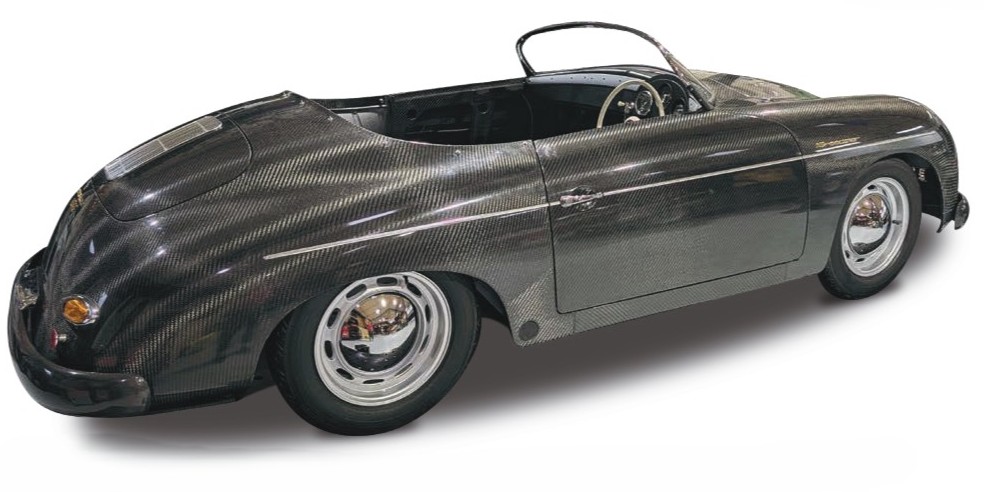
Jason Ferraro and the Renner Auto team recreate the character and unmistakable shape of the classic Porsche Speedster, with each shell lightweighted using an epoxy prepreg carbon-fibre system that is lighter and stiffer than the original steel construction. Image supplied by Renner Auto
Renner Auto isn’t restoring the past. It is rebuilding it with today’s engineering.
Ferraro founded Renner Auto in 2017 after almost three decades in the automotive industry, working across research and development and senior management with companies including Air International Thermal Systems, Futuris Automotive and TE Connectivity. His corporate experience is underpinned by a mechanical engineering degree from RMIT University.
That background influences how Renner Auto designs and builds classic vehicles. Rather than restoring an existing car or reproducing its components using traditional methods, Ferraro applies manufacturing knowledge and technologies from the modern automotive industry to cars designed in the 1950s and 1960s. The finished cars retain historic styling while incorporating contemporary chassis, drivetrain, electrical and manufacturing technology.
Engineering the Speedster
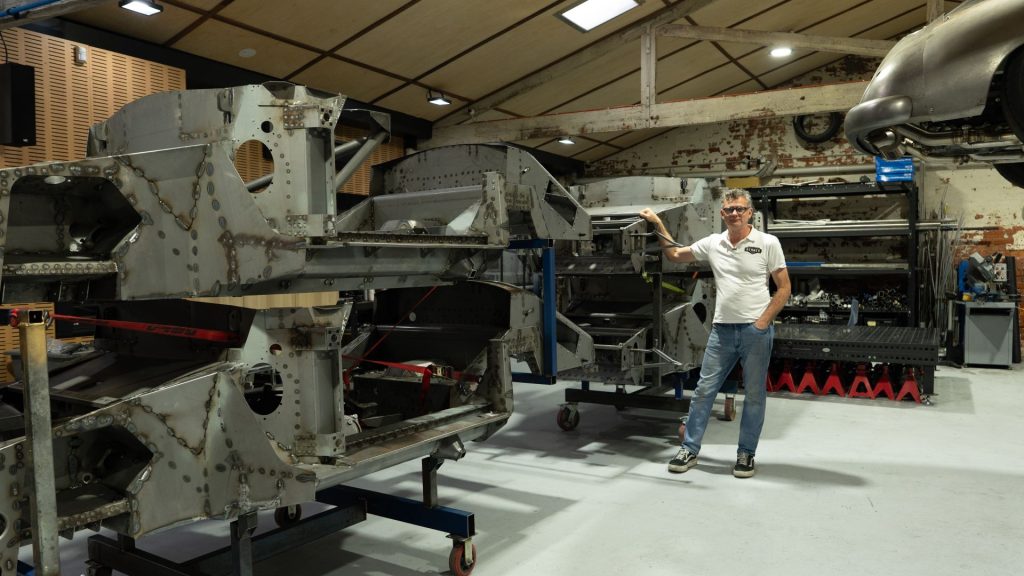
The original 356A Speedster was built around a pressed steel unibody structure. Weight reduction was inherently part of the original car’s character, with components like the doors and bonnets produced in aluminium on certain variants. To build a modern version of this classic unibody system, Renner Auto uses a combination of pressed steel and laser-cut, CNC-folded components. This re-engineered platform seamlessly incorporates a coil over modern double A-arm front suspension and semi-trailing arm rear suspension.
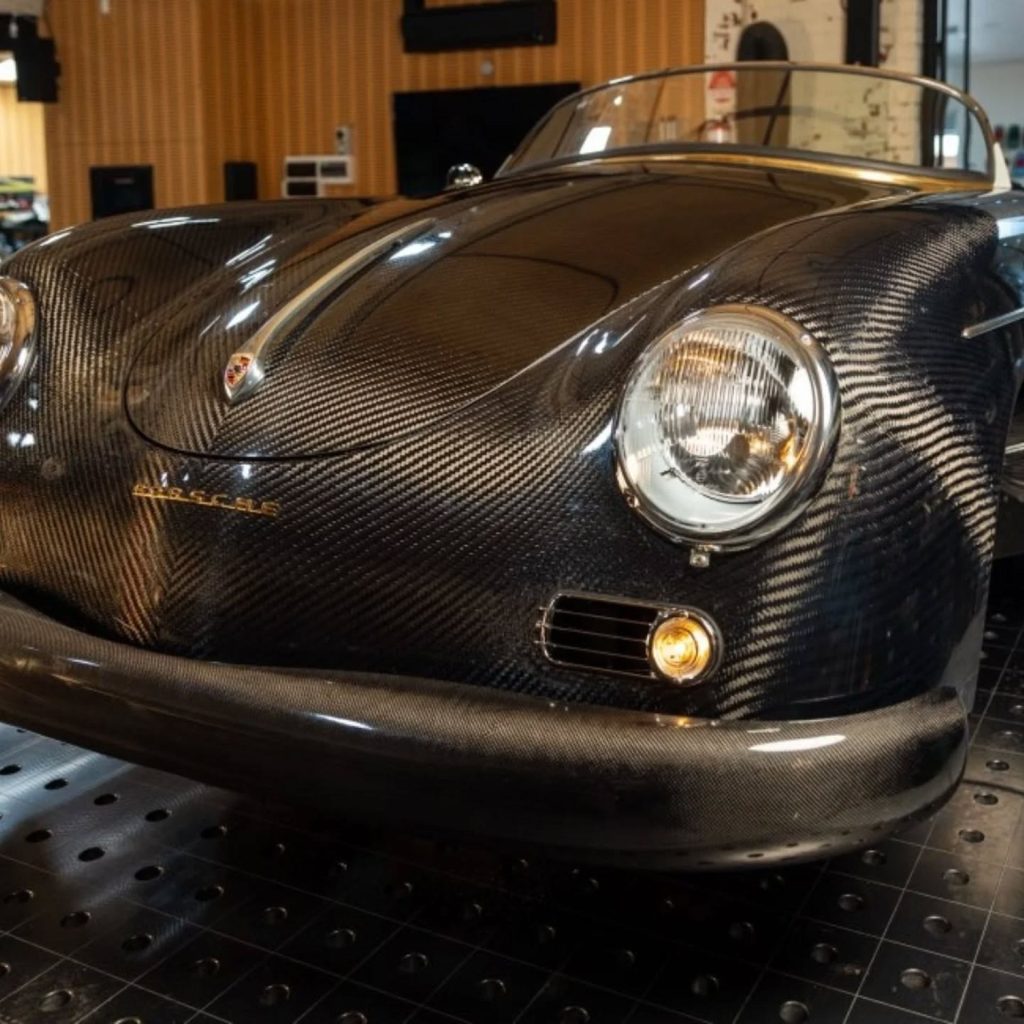
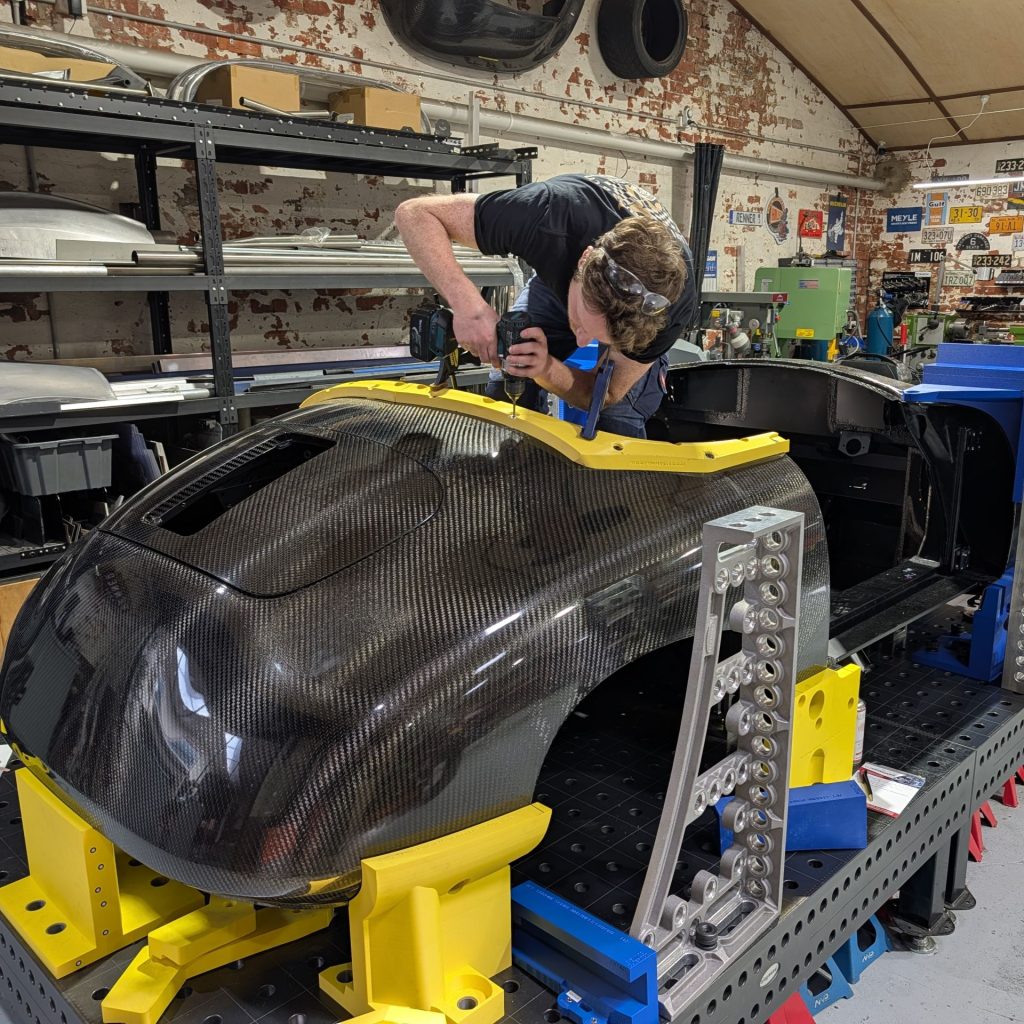
Renner takes the weight-saving principle further. Each Speedster shell is formed using an epoxy prepreg carbon-fibre system, producing a structure that is lighter and more rigid than the original steel construction. Customers can also choose to leave underhood and engine bay sections of the carbon weave exposed beneath a clear finish, making the composite construction part of the car’s visual character.
“The large front and rear parts of each carbon-fibre body are made using vacuum infusion, which helps us keep better control over quality and weight,” Ferraro says. Image supplied by Renner Auto
The finished car retains the distinctive visual character of the original Speedster, with the chassis, drivetrain and electrical systems engineered for contemporary performance and reliability. That level of engineering is supported by control of the manufacturing process in-house. “We have invested significantly in advanced manufacturing tools to create original equipment manufacturer (OEM) components at production levels we couldn’t reach before,” Ferraro says.
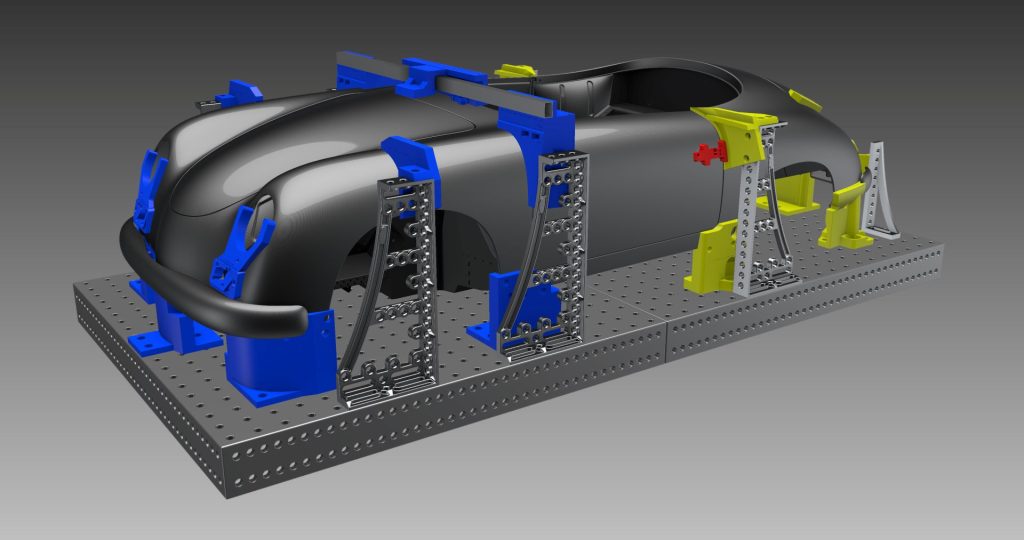
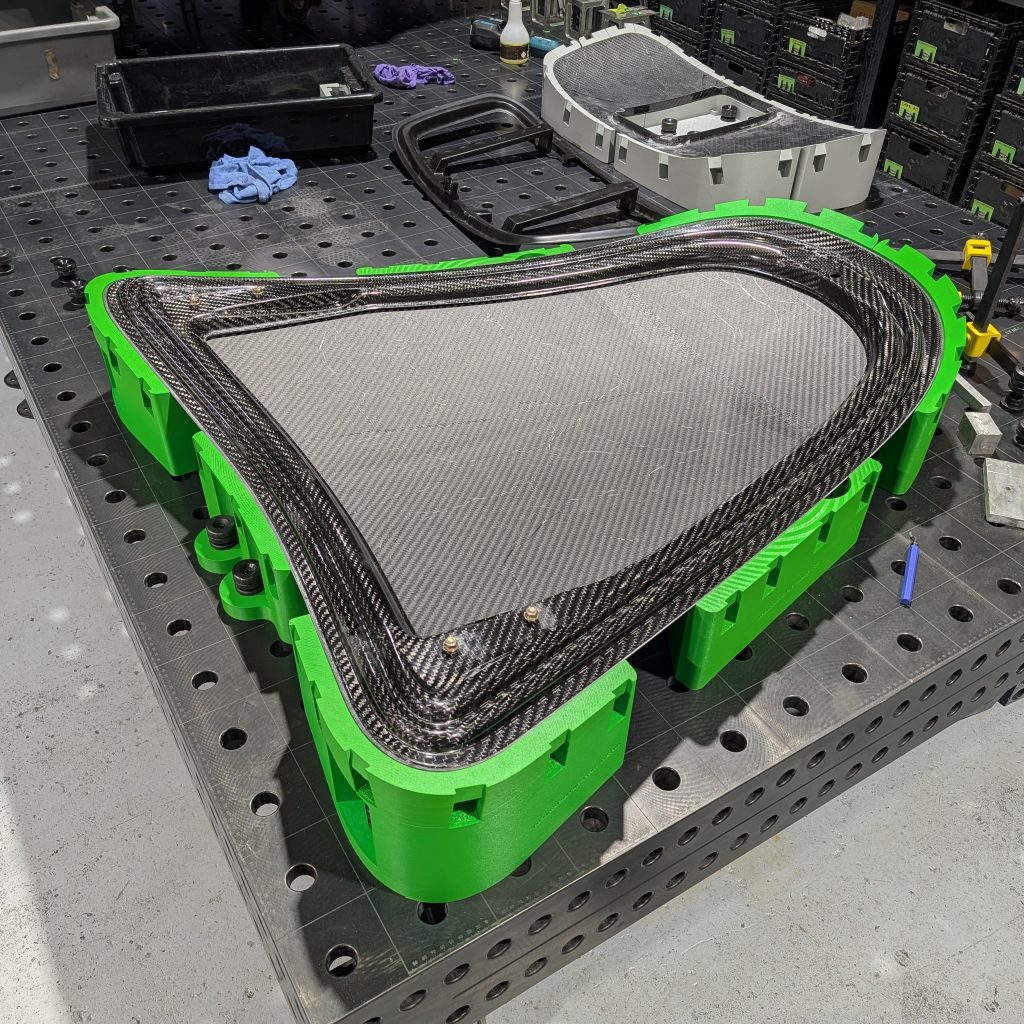
The process begins with 3D scanning to create a digital representation of the vehicle structure. The team then develops computer-aided design models for the vehicle’s systems and manufactures its own jigs. Prototypes and selected production components are 3D-printed before progressing to composite manufacture, fabrication and assembly.
The carbon-fibre body sections are manufactured using processes selected to control quality and weight. “The large front and rear parts of each carbon-fibre body are made using vacuum infusion, which helps us keep better control over quality and weight,” Ferraro says. “Each panel is checked against laser scan deviation reports after it leaves the mould.” The chassis is also manufactured in-house, with Renner producing cars in both left- and right-hand drive configurations.
The same control extends to safety and compliance. Renner’s vehicles undergo computer analysis and the relevant emissions, crash and road-safety testing, while the carbon-fibre seats are separately approved under the Australian Design Rules.
Each Speedster shell is formed from an epoxy prepreg carbon-fibre system, producing a structure that is lighter and stiffer than the original steel construction. Image supplied by Renner Auto
A single recreation takes between 1,000 and 2,500 hours to complete, with up to six vehicles typically in construction at any one time. This production volume requires engineering, composite manufacture, fabrication and skilled assembly to work together with repeatable processes and controlled quality.
Renner Auto also brings undergraduate mechanical engineering students into the workshop as interns, giving the next generation of engineers practical experience in vehicle design, engineering and manufacturing before they enter the industry.
The cars may look as though they belong to another era. The processes used to create them do not.
Ferraro and his team are taking some of the most recognisable performance cars of the 1950s and 1960s and rebuilding them with the materials, technology and manufacturing capability available today.
Ferraro founded Renner Auto in 2017 after nearly three decades in the automotive industry, working in research and development and senior management at companies including Air International Thermal Systems, Futuris Automotive, and TE Connectivity. Image supplied by Renner Auto
Renner Auto engages undergraduate mechanical engineering students as interns, giving the next generation of engineers experience in vehicle design, engineering and manufacturing. Image supplied by Renner Auto
Renner Auto makes its own 3D-printed jigs to hold carbon-fibre parts precisely during finishing and fitting. Image supplied by Renner Auto
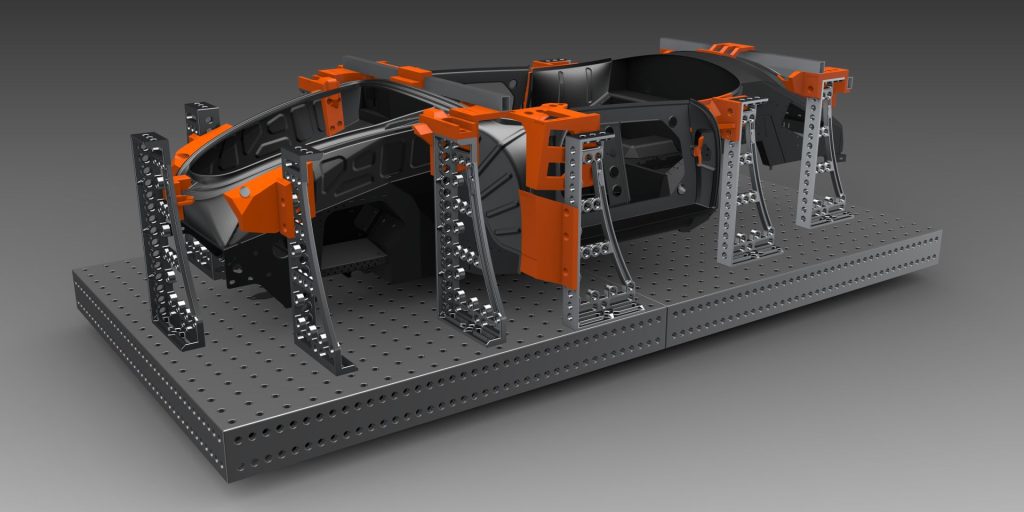
This CAD rendering shows a Speedster unibody held in Renner Auto's assembly fixture. Modular uprights and orange locating blocks on a fixture table keep each laser-cut, CNC-folded component in exact position. Image supplied by Renner Auto
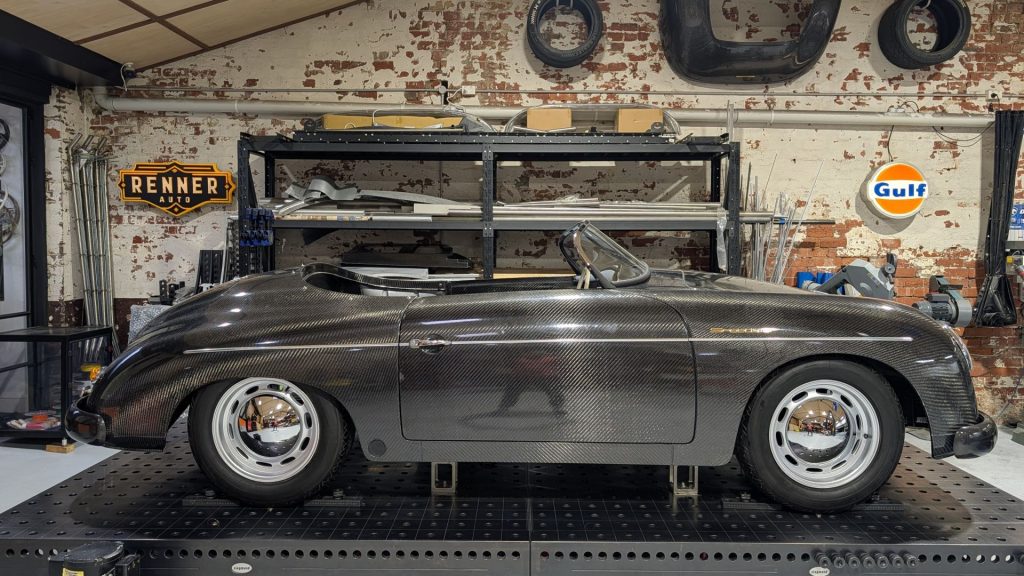
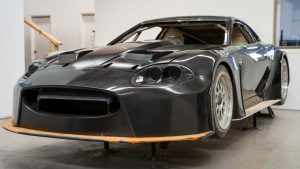
Every curve of the classic Speedster silhouette, rendered in exposed carbon fibre at Renner Auto's Melbourne workshop: pictured before paint and delivery to its owner. Image supplied by Renner Auto