Automotive
President’s Letter: Issue 70 Connection Magazine
It is a pleasure to introduce this edition of Connection, which turns to composites
in Australian automotive, motorsport in particular.

It is a pleasure to introduce this edition of Connection, which turns to composites
in Australian automotive, motorsport in particular.
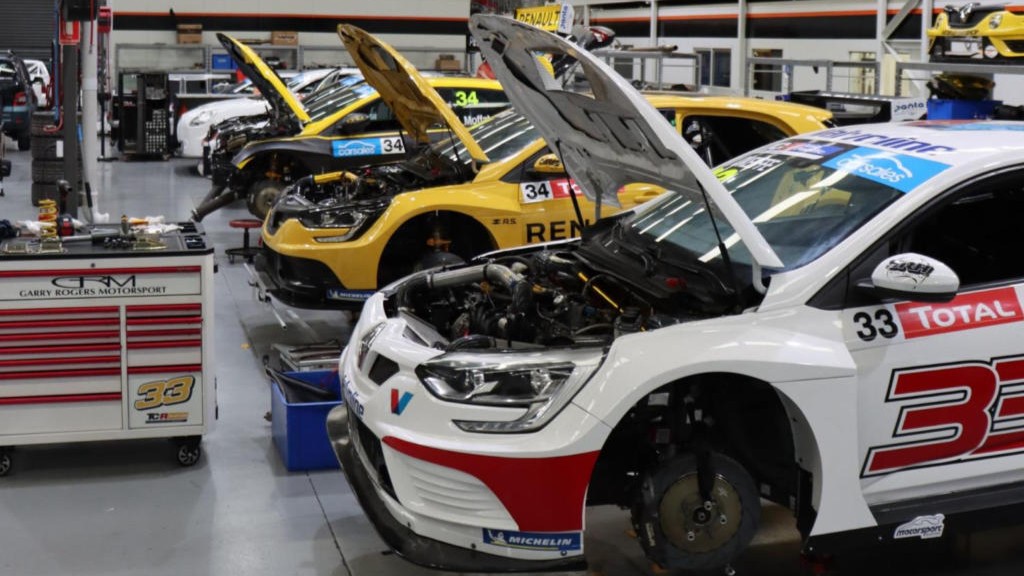
Australia’s oldest motorsport team, Garry Rogers Motorsport designs, builds and maintains its own cars across four categories, and has long been an early adopter of advanced materials and manufacturing methods. Auto Action from GRM gallery

Gurit engineered a carbon-fibre chassis for Beacham’s CFE, reimagining the Jaguar E-Type with a tub weighing about 100 kg against 260 kg for steel and 77 percent stiffer in torsion.
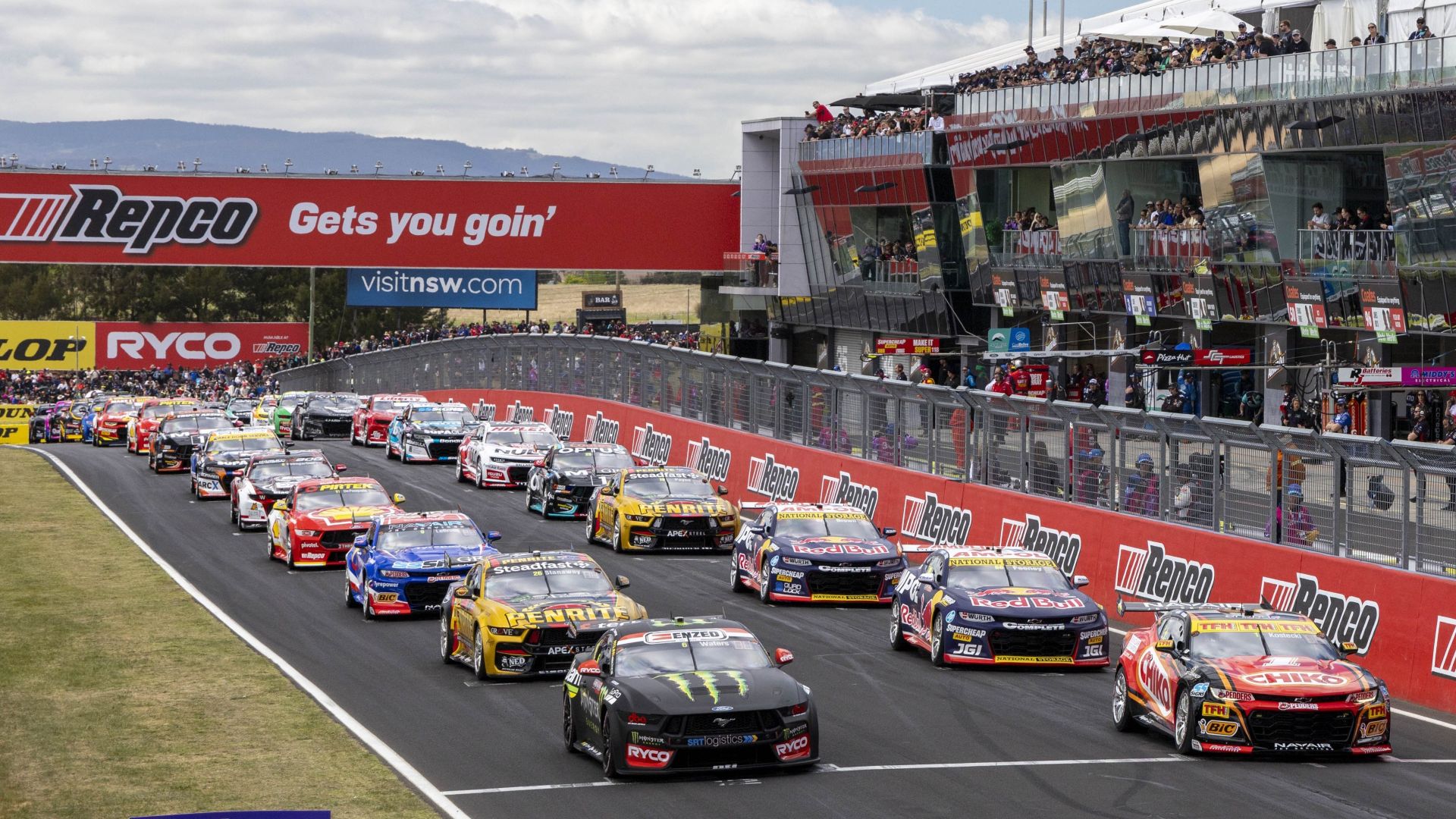
On Mount Panorama’s Conrod Straight, Supercars push beyond 300 km/h, loading splitters, underbody panels and aero components, while the Esses, heavy braking, kerb strikes and contact add their punishment. At Bathurst, composite design, manufacturing quality and repairability come together, and a failure can cost far more than a grid position.
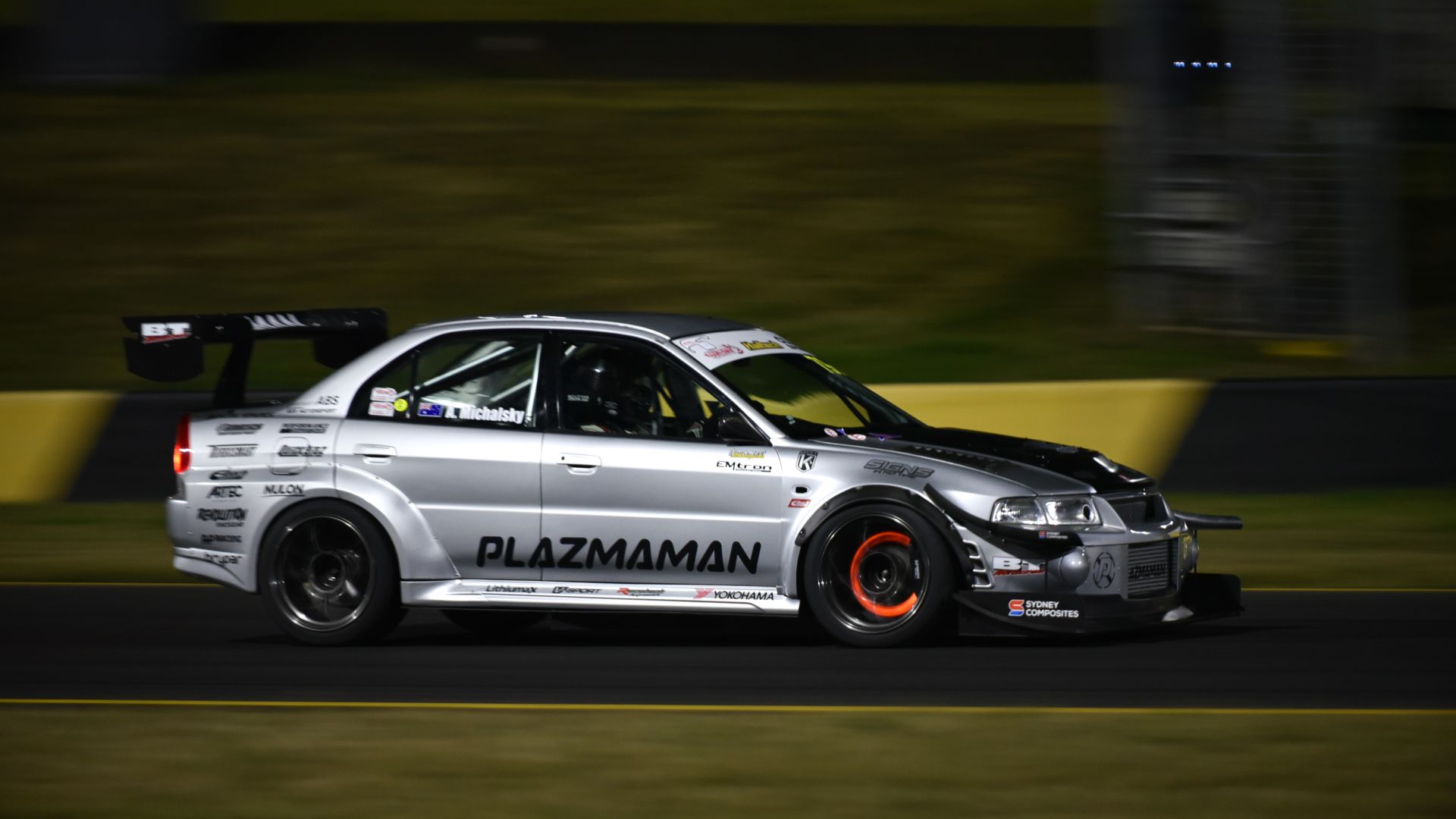
At the World Time Attack Challenge (WTAC), drivers race alone against the clock chasing the fastest lap, and every component has to earn its place. Sydney Composites engineers and fabricates front and rear aero for these cars, from wings to undertrays and diffusers, generating downforce and grip while keeping weight in check.
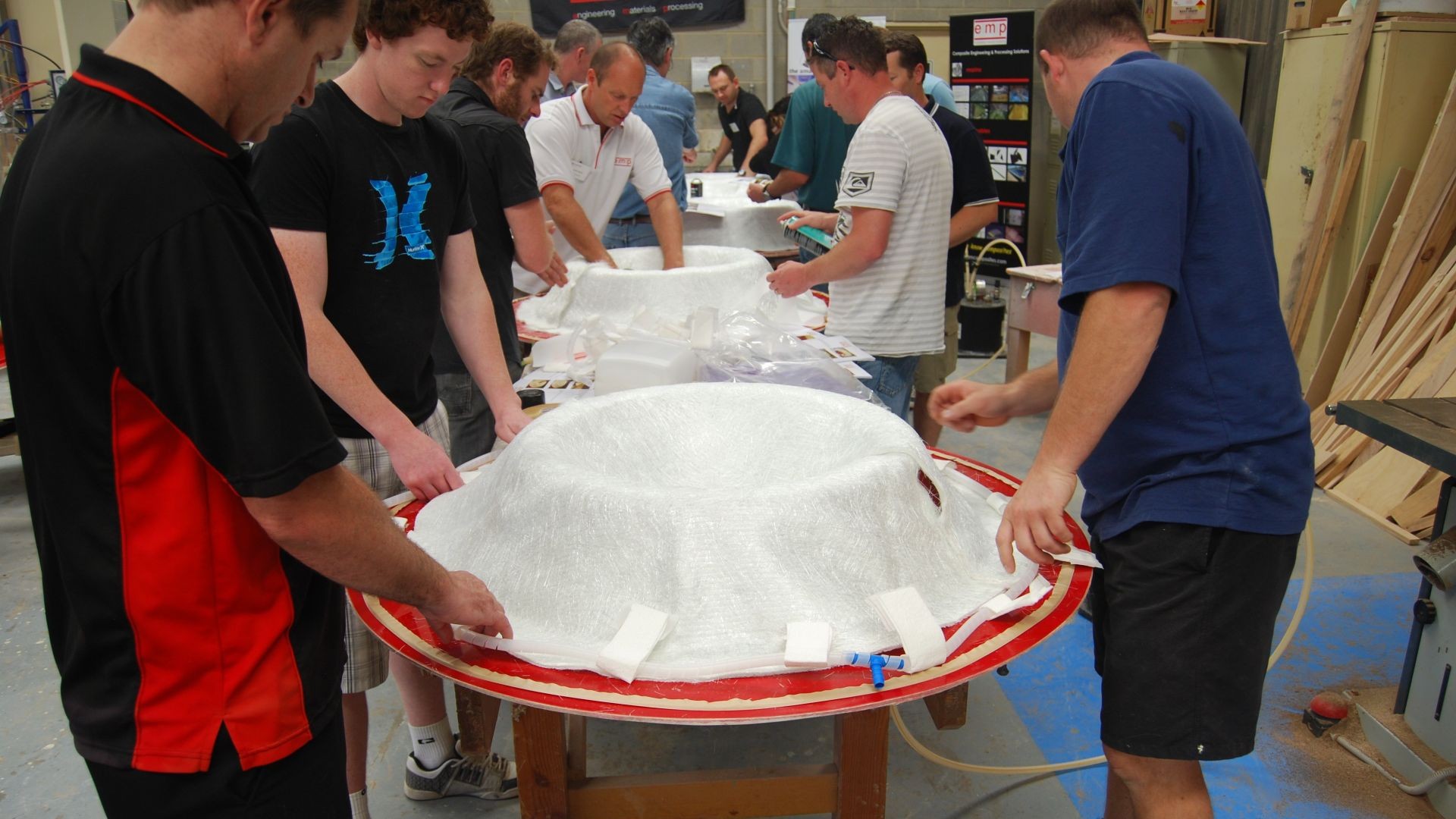
The most direct route into a composites workforce is vocational education and training (VET). A Certificate III apprenticeship combines structured off-the-job training with paid, supervised work in a manufacturer’s own facility, which means the employer trains staff in their own processes from day one rather than hiring blind.
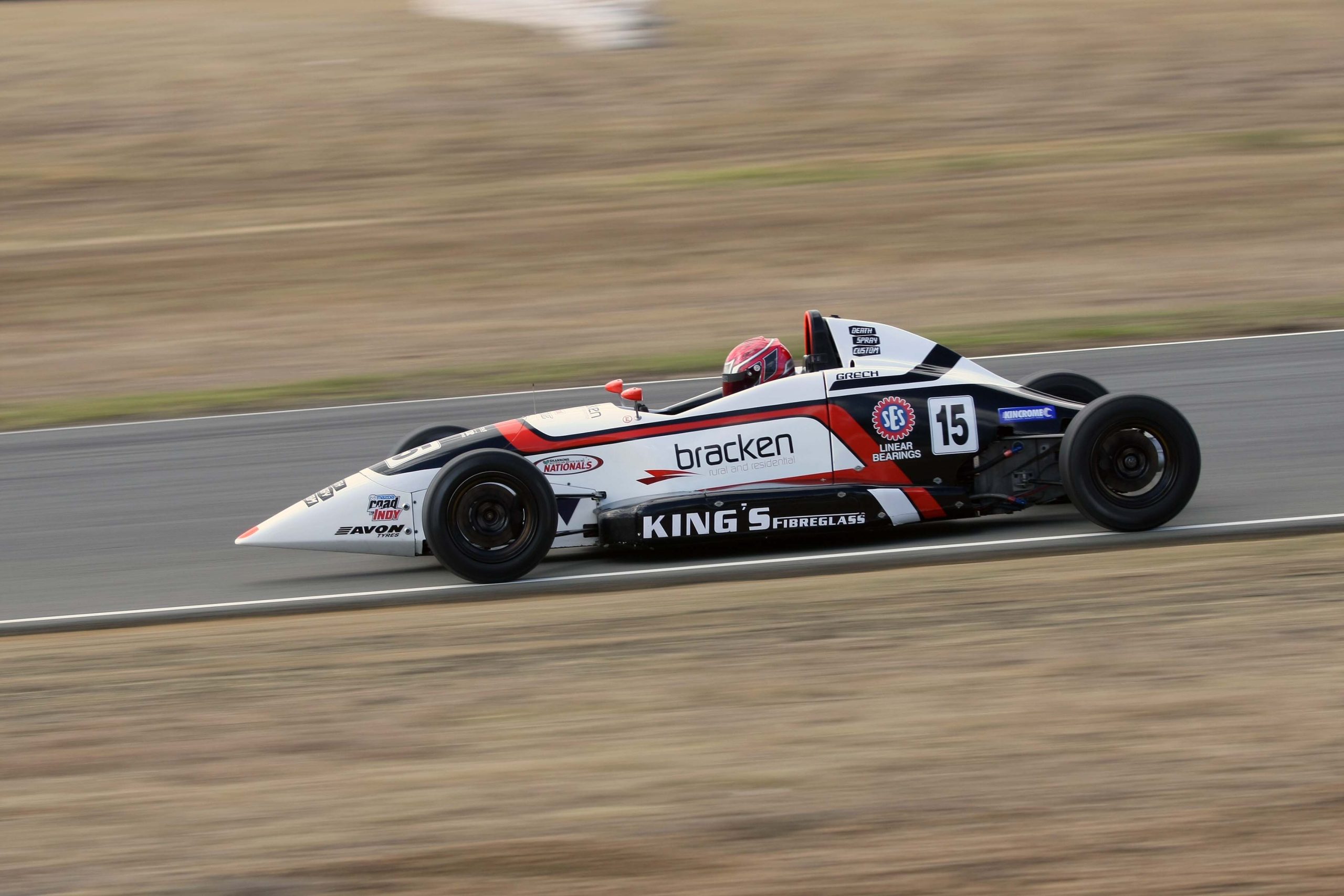
Forty years after Mike Borland built his first Formula Ford, his Braeside workshop is still designing, fabricating and assembling complete race cars in-house. Spectrum chassis now race in the UK, the US, Canada and New Zealand, making Borland Racing Developments a rare example of Australian motorsport manufacturing that competes on the world stage.
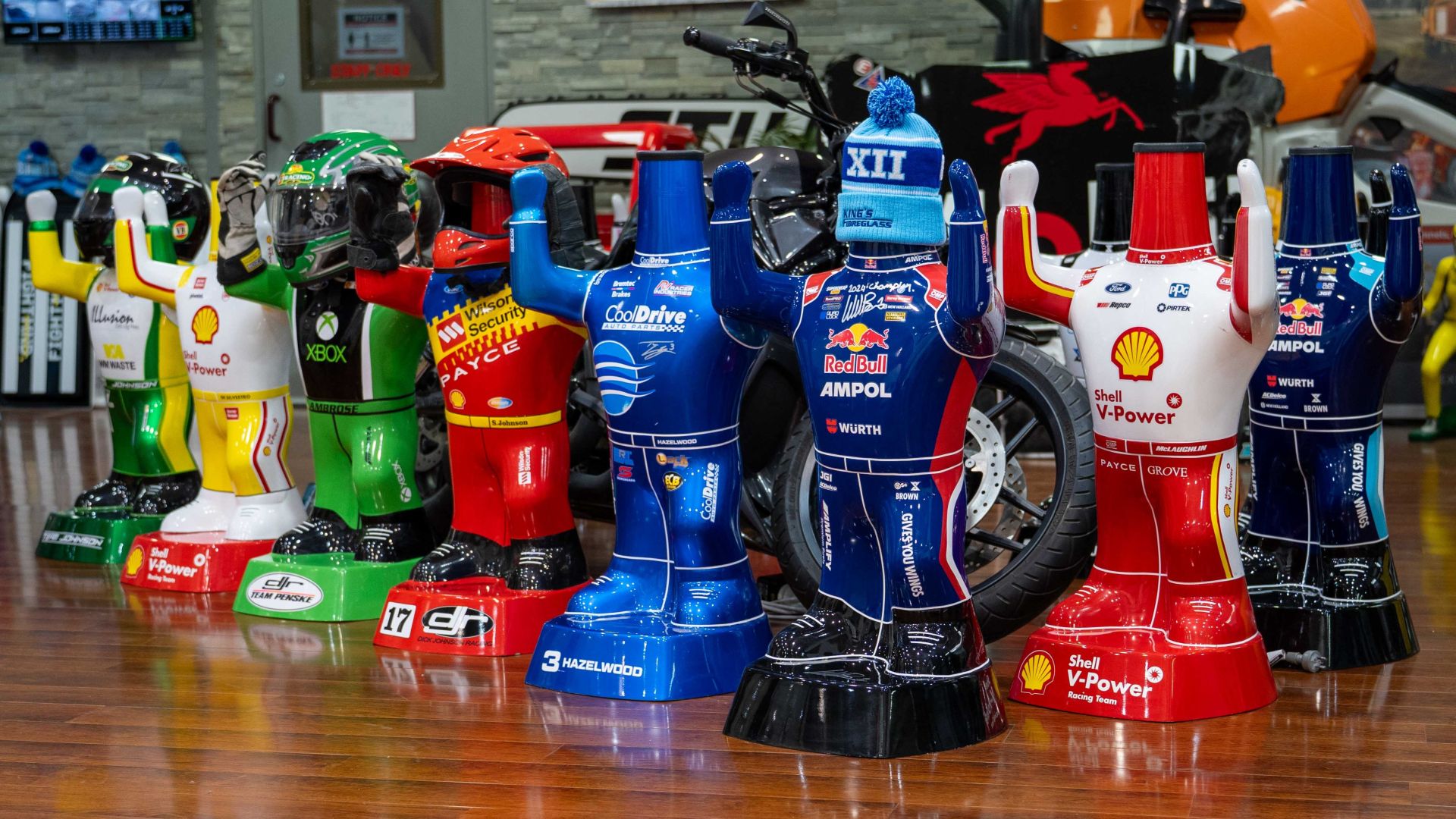
Lined up in rank formation in the King’s Fibreglass showroom is an army of “mini me” fibreglass figures, their true purpose cleverly disguised: race helmet and glove dryers, a necessary piece of equipment at a racetrack.
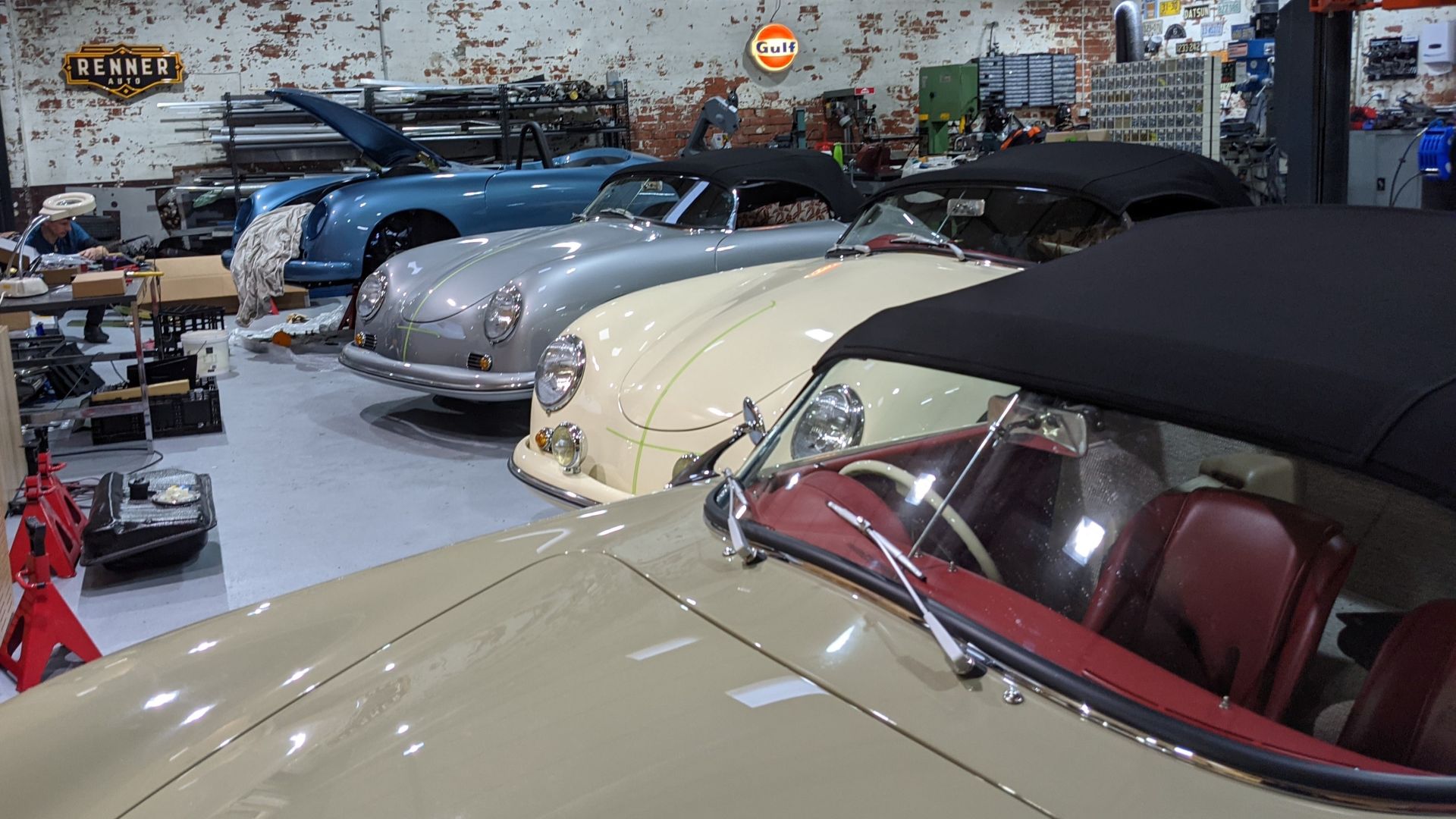
Jason Ferraro and the Renner Auto team
recreate the character and unmistakable shape of the classic Porsche while replacing much of the technology beneath it with contemporary engineering, materials and manufacturing processes

Fibreglass was a material to chase dreams with and gave birth to a number of auto start-ups which manufactured a range of performance muscle cars through to jolly cheap run-abouts from the early ‘60s to late ‘70s.